Mining for Excellence: Why the 30% Threshold Is Sierra Leone’s Next Great Opportunity
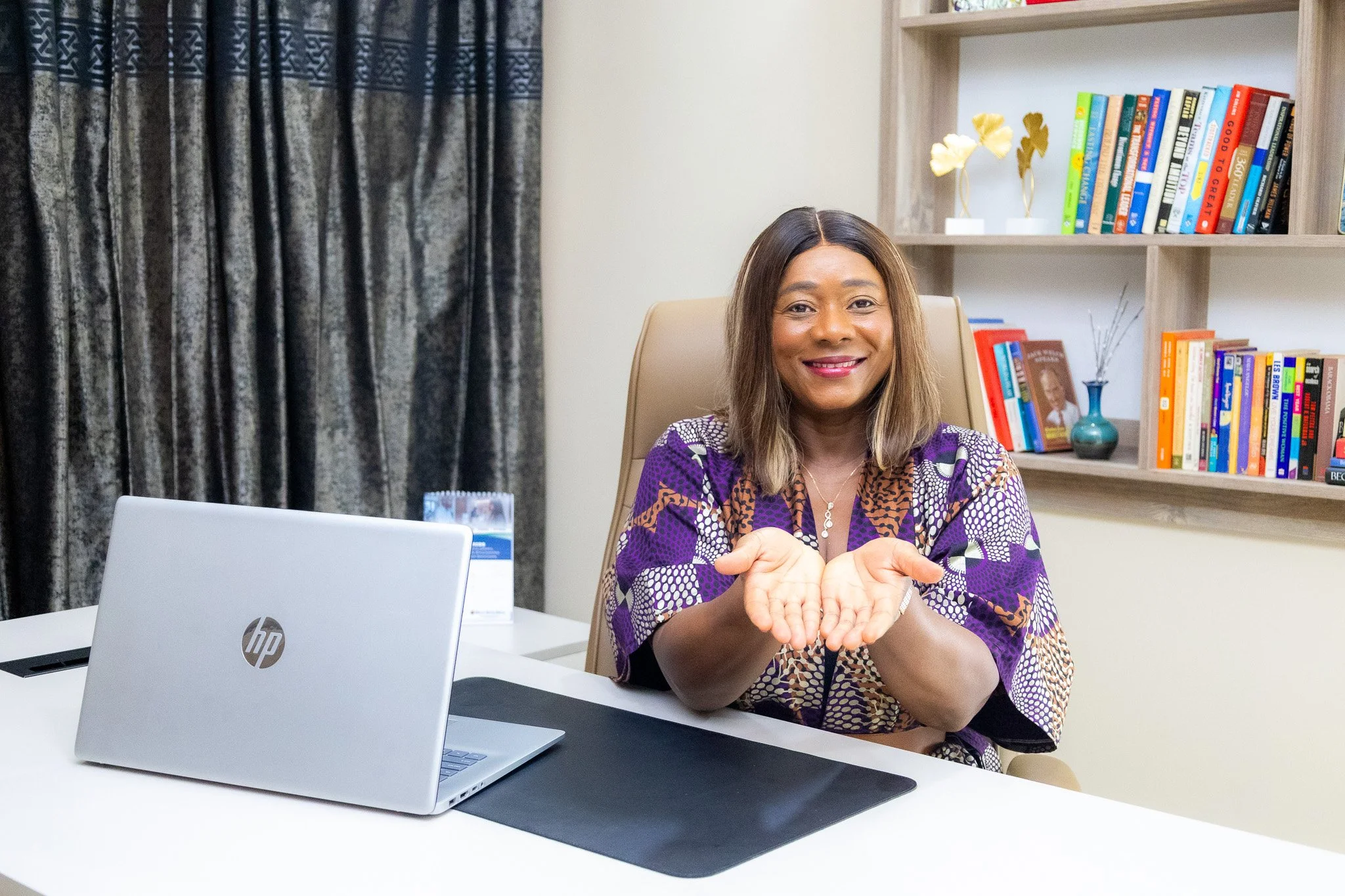
Aminata Kamara, CEO, Amikam Consulting
Every mining company understands the importance of extracting the full value of its resources. Yet across Sierra Leone’s mining sector, one of our most valuable resources—talent—remains underutilised.
As we mark International Women’s Day, this year’s theme, “Give to Gain,” offers an opportunity to reflect on how industries build strength and resilience. In Sierra Leone’s mining sector, the conversation around gender is often framed as a question of fairness. But for those of us who work within the industry, the issue is far more practical.
It is about performance, leadership and the long-term stability of the sector.
Over the years, I have worked alongside exceptional professionals across mining—engineers, geologists, community officers, HR practitioners and executives. Many of them are women whose capability and discipline are beyond question. Yet their progression often slows before reaching the decision-making table.
If we are serious about strengthening Sierra Leone’s mining industry for the years ahead, we must ask a simple question: are we fully harnessing the potential of our workforce?
The 30% Threshold: A Strategic Milestone for Gender Parity in Mining
Globally, research shows that when women reach around 30% representation in leadership, they move beyond symbolic participation and begin to influence culture, strategy and decision-making. Below that level, women are often present but isolated.
Sierra Leone has already recognised this principle through the Gender Equality and Women’s Empowerment (GEWE) Act of 2022, which calls for at least 30% female representation in leadership and decision-making across institutions.
For mining companies, this should not be treated simply as a compliance target. It is a milestone that signals modern, competitive companies that understand the value of diverse leadership and are prepared to invest in it.
Reaching this threshold by 2030 would mark an important step for the industry. Leadership teams would better reflect the workforce and the communities in which mines operate, strengthening decision-making and institutional credibility.
But achieving that milestone will not happen simply by hiring more women. It requires organisations to build systems that allow capable professionals to progress into leadership roles.
Why Sierra Leone’s Mining Sector Needs This Now
Sierra Leone’s mining industry is entering a period of renewed growth and global attention. New investments, evolving technologies and rising expectations around Environmental, Social and Governance (ESG) standards are reshaping how companies operate.
Mining companies today must do far more than extract resources. They must manage relationships with host communities, navigate complex regulatory frameworks and maintain the confidence of international investors who are increasingly attentive to governance and social impact.
Diverse leadership teams are often better equipped to manage these realities. When leadership reflects a broader range of perspectives and experiences, organisations are better positioned to anticipate risks, engage communities and make balanced decisions.
For Sierra Leone’s mining sector, strengthening women’s participation in leadership is therefore not simply about numbers. It is about ensuring the industry has the depth of leadership required to navigate the challenges ahead.
From Representation to Real Opportunity
In my experience working across mining companies, the challenge is not the absence of capable women. The question is whether our systems are structured to allow them to lead.
Increasing the number of women in the workforce is an important step, but representation alone does not guarantee progression.
One of the most effective ways to close this gap is sponsorship. Mentorship offers guidance and advice, but sponsorship creates opportunity. It requires senior leaders to use their influence to recommend capable women for operational leadership roles, major projects and executive positions.
Mining companies must also recognise the realities many professionals face in balancing demanding careers with family responsibilities. Practical workplace policies, supportive cultures and clear career pathways help ensure talented women remain in the industry long enough to progress into leadership.
The sector must also invest in its future talent pipeline by strengthening partnerships with Sierra Leonean universities and technical institutions. Encouraging more women into engineering, geology and related fields will help ensure that the next generation of mining leadership reflects the full strength of Sierra Leone’s talent.
Conclusion: “Give to Gain”
Companies that build inclusive leadership teams are often better positioned to manage risk, maintain community trust and meet the expectations of international investors. In an industry where credibility and stability are essential, these advantages matter.
Reaching 30% female representation in leadership is therefore not a symbolic milestone. It is a practical step toward building stronger organisations and a more resilient mining sector.
The talent is already present within Sierra Leone’s mining workforce. What remains is a decision by leadership. Will the sector create the pathways that allow that talent to rise?
About the Author
Aminata Kamara is a corporate governance and mining sector leader with over 18 years of executive experience in organisational leadership and human capital management in various sectors including the mining industry.